

Let me be honest with you. Finding accommodation in Germany was one of the most stressful parts of my entire journey here. The visa stress, the blocked account setup, the APS certification — all of that felt manageable compared to the moment I realised I had four weeks before my semester started and nowhere to live.
If you are reading this from Pakistan, India, or anywhere else in South Asia and you are about to start your studies in Germany, this post is written for you. Not from a government pamphlet perspective, not from a university brochure. From someone who actually went through it.
Here is everything I wish I had known.
The single biggest mistake international students make with accommodation in Germany is starting the search too late. Most people begin looking one or two months before their semester starts. That is not enough.
German student housing, particularly in larger cities like Berlin, Munich, Hamburg, and Frankfurt, is genuinely competitive. There are thousands of students from across Europe and the world all searching at the same time, and the supply of affordable rooms simply does not keep up with demand.
The rule of thumb that has worked for students I know is this: start your search at least four to five months before you plan to arrive. If your semester begins in October, you should be actively searching by May or June at the latest. For a April start, begin in November or December.
Yes, that feels early. Do it anyway.
When it comes to where you actually live as a student in Germany, you essentially have three paths. Each has a very different experience attached to it.
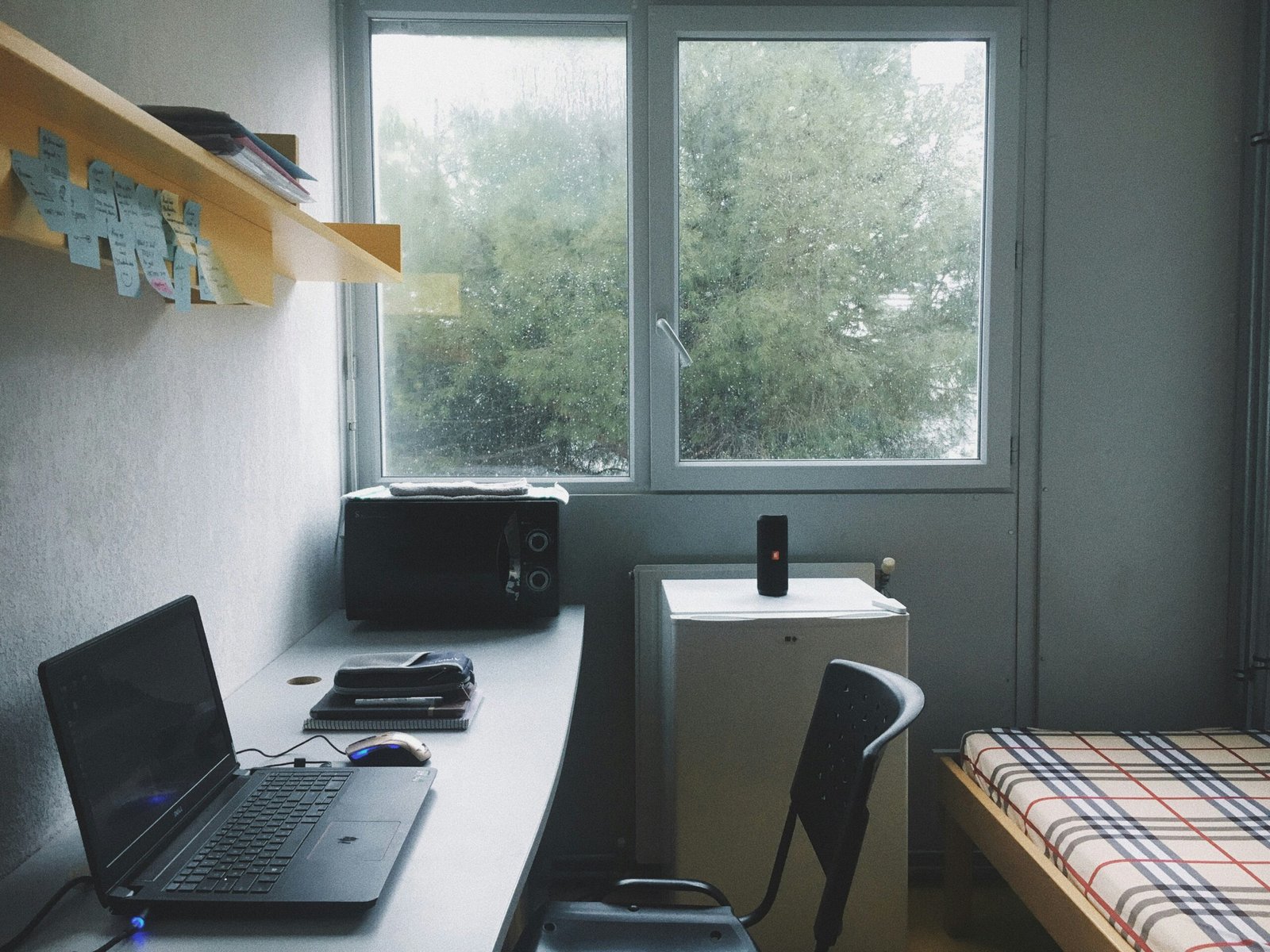
The Studentenwohnheim — or student dormitory — is run by the Studentenwerk, which is the student services organisation attached to your university. These are generally the cheapest accommodation option available to you, with monthly rents typically ranging from €200 to €400 depending on the city and the type of room.
The catch is the waiting list. At most German universities, the waiting list for a dormitory room is anywhere from six months to two years long. This does not mean you should not apply. Apply immediately when you receive your university admission letter. Even if you do not get a room for your first semester, you might get one by your second or third. In the meantime, you need a backup plan.
To apply, go directly to your university’s Studentenwerk website. Each city has its own Studentenwerk office and their own application portal. Do not wait for the university to tell you to apply. Do it yourself, immediately.
The WG is the most common living situation for students in Germany. You rent a room in a shared apartment and split common costs like internet, utilities, and sometimes even groceries with your flatmates. Monthly room costs in a WG typically range from €350 to €700 depending on the city, the size of your room, and whether utilities are included.
Living in a WG is genuinely one of the best ways to integrate into German life and improve your German language skills. Your flatmates become your first social network in the country. For many international students, the friendships built in a WG last years beyond university.
The main platforms for finding WG rooms in Germany are WG-Gesucht (wg-gesucht.de) and Immobilienscout24. WG-Gesucht is particularly popular among students and has the highest volume of listings specifically for shared apartments. You will need to create a profile, write a short introduction about yourself, and send applications to listings that interest you.
Writing a good WG application matters more than most people expect. Landlords and existing flatmates receive dozens of applications for each room. Your message needs to feel warm, personal, and genuine. Mention why you are coming to Germany, what you are studying, and something real about yourself. Avoid copy-pasting the same message to every listing. People can tell.
Renting a private apartment on your own is the most expensive option and also the most difficult for international students, particularly those who have just arrived. German landlords typically ask for a SCHUFA credit report, proof of income, and sometimes a German guarantor. As a new arrival with no German credit history and no German income, this rules out many listings immediately.
That said, it is not impossible. Some landlords are open to students and will accept a blocked account statement or a letter from your university as proof of financial stability. Furnished short-term rentals through platforms like Spotahome or HousingAnywhere are a good bridge solution for your first few weeks while you find something permanent.
Accommodation costs vary significantly across Germany, and where you study makes a big difference to your monthly budget.
Berlin is the most popular city among international students and has the most housing listings, but it is also increasingly expensive. A WG room in a reasonable location costs between €600 and €900 per month. Neighbourhoods like Neukölln, Wedding, and Lichtenberg tend to be more affordable than Mitte or Prenzlauer Berg.
Munich is consistently the most expensive city in Germany for housing. A WG room below €700 per month is very difficult to find. If you are studying at TU Munich or LMU, factor this into your overall budget from the start. The quality of life is exceptional, but the housing market is brutal even for German students.
Hamburg sits in the middle in terms of cost. Expect to pay €500 to €750 for a WG room. Areas like Altona, Eimsbüttel, and Barmbek are popular among students and reasonably well connected by public transport.
Frankfurt is more of a business city than a student city, but it has several universities and a reasonable housing market. WG rooms typically range from €550 to €800 per month.
Smaller university cities like Göttingen, Freiburg, Tübingen, Schmalkalden, and Marburg are worth serious consideration if you are open to them. Rent is significantly lower, the student community is proportionally larger, and daily life is often more manageable. A WG room in a smaller university town can cost as little as €250 to €400 per month.
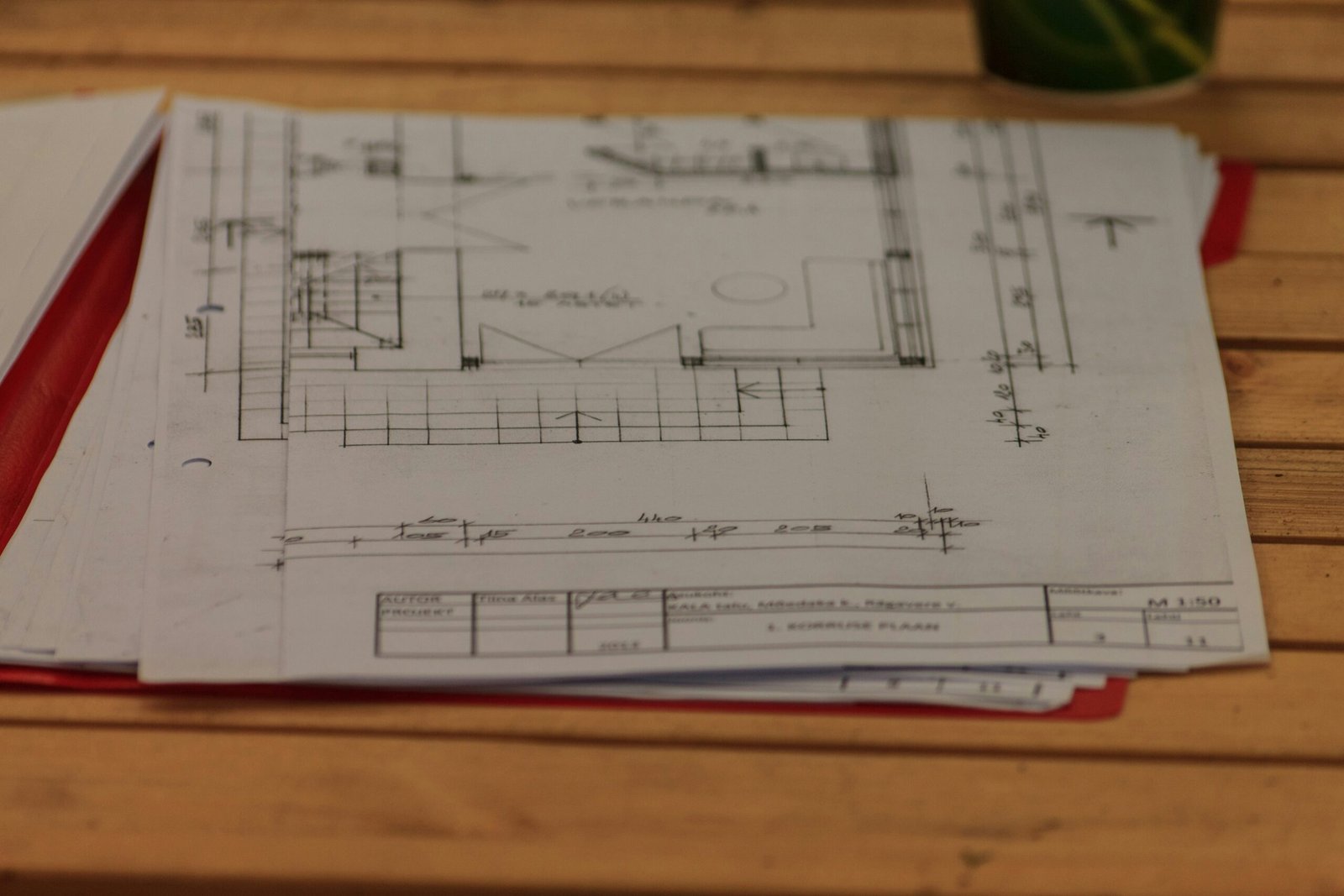
German landlords and WG hosts will almost always ask for a set of documents before agreeing to rent to you. Having these ready before you start sending applications will save you a lot of time.
You will generally need a copy of your passport, your university admission or enrollment letter, proof of financial means (your blocked account statement works well for this), and sometimes a brief personal introduction. For longer-term private rentals, a SCHUFA report may be requested, though as a new arrival you will not have one yet. In this case, being transparent and offering your blocked account statement as an alternative often works.
One document that surprises many new students is the Wohnungsgeberbestätigung — a landlord confirmation form that your landlord or WG host must sign when you move in. You will need this to complete your Anmeldung (city registration), which is legally required within two weeks of moving into your new address. Without the Anmeldung you cannot open a German bank account, register for health insurance, or receive official correspondence. So getting this form signed promptly is more important than it might initially seem.

Unfortunately, housing scams targeting international students are common in Germany, particularly on general platforms like Facebook groups and some listings on eBay Kleinanzeigen. The typical pattern is a listing that looks perfect at an unusually low price, with a landlord who claims to be abroad and asks you to send a deposit via bank transfer or PayPal before you have seen the apartment.
Never send money to anyone before you have seen the apartment in person or verified via a live video call. Never pay a deposit before signing a proper rental contract. If a listing looks too good to be true at the price listed, it almost certainly is.
Stick to established platforms like WG-Gesucht, Immobilienscout24, Spotahome, and HousingAnywhere for your initial search. Your university’s international office and Studentenwerk may also have verified listings boards or partnerships with local landlords.
Book a short-term solution for your first two to four weeks in Germany before you arrive. This gives you time to search for permanent housing in person, which is significantly more effective than searching from abroad. Hostels, Airbnb, or short-term furnished rooms on HousingAnywhere all work for this. Budget around €30 to €60 per night depending on the city.
Join Facebook groups and WhatsApp communities for international students at your specific university. Many WG rooms are advertised informally in these communities before they ever appear on official platforms. Your university’s international student office will usually know which groups are active.
If your German is at even a basic level, use it in your WG applications. Writing even two or three sentences of your application in German shows effort and genuine interest in integrating, and many German flatmates respond very positively to this.
Finally, be patient and be persistent. You may send twenty applications before you get your first viewing invitation. That is completely normal. The German housing market is tough for everyone right now, not just international students. Keep going.
Finding accommodation in Germany is hard. But it is also temporary. Once you are settled in a good WG or a dormitory room, once you know your neighbourhood and your local supermarket and the tram line that gets you to campus, it all becomes home surprisingly quickly.
The discomfort of the search is worth it. Germany is an extraordinary place to study and build a future. The housing market is just the first test of the persistence that will serve you well here.
Start early, stay organised, and do not send a copy-paste WG application.
Good luck.