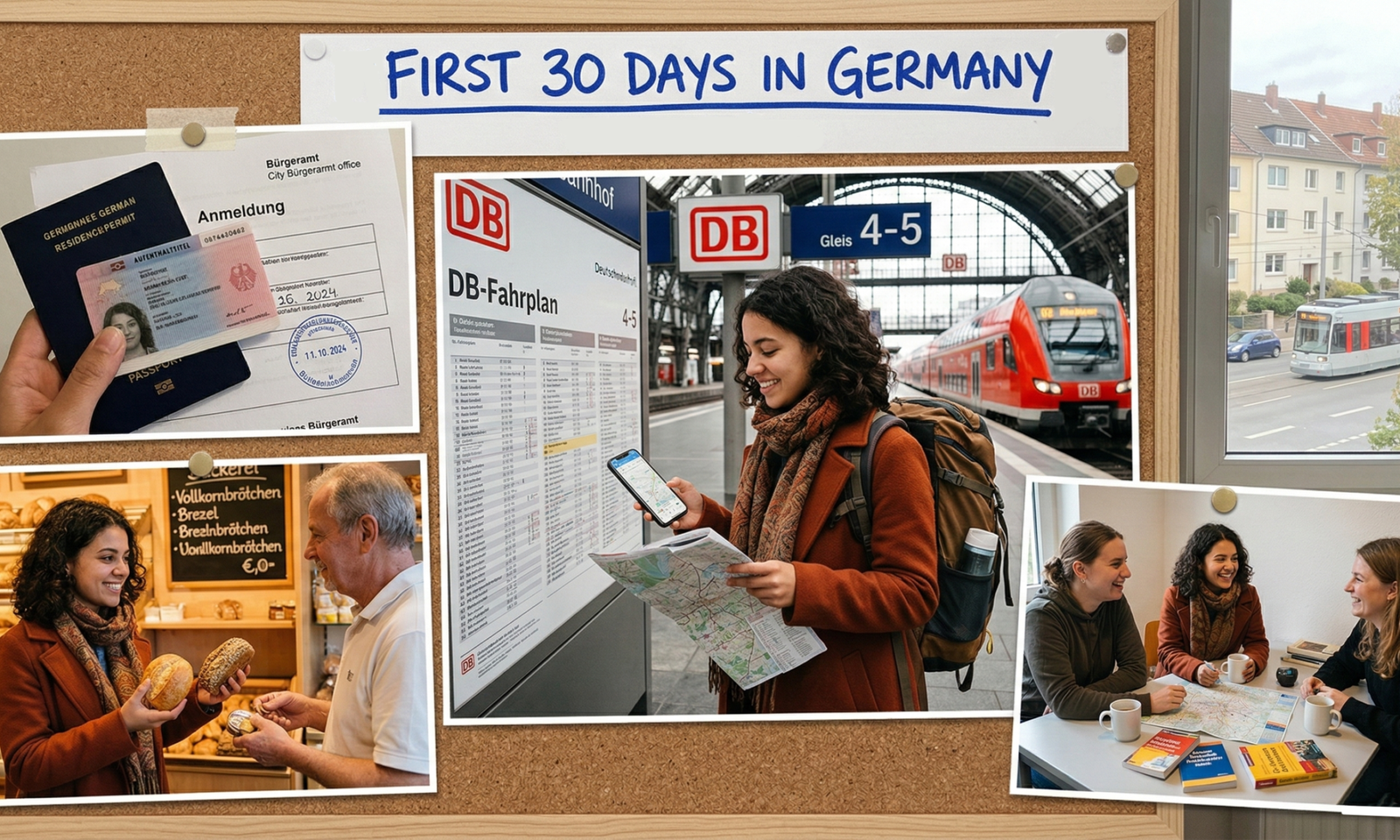
It is one of the most attractive sentences in higher education: “Tuition is free in Germany.” For thousands of international students planning their Bachelors or Masters degrees, this phrase is the ultimate green light. However, while public universities do not charge tuition fees, living in Germany is far from free.
Many students arrive expecting their savings to stretch much further than they actually do, only to be caught off guard by unexpected administrative costs, mandatory fees, and the difference between localized economies. To ensure you do not face financial stress while balancing your exams, let’s break down the true, practical costs of living and studying in Germany.

The Blocked Account vs. Reality
Before you even step foot in the country, you will become very familiar with the Sperrkonto (Blocked Account). The German government requires international students to deposit a set amount of money to prove they can support themselves for their first year. Currently, this translates to roughly €992 per month.
While €992 sounds like a healthy monthly budget, it is critical to understand that this is a nationwide baseline. The reality of how far this money goes depends entirely on your location. If you are studying in a major metropolitan hub like Munich, Frankfurt, or Hamburg, €992 will feel incredibly tight, as rent alone can swallow more than half of that amount. Conversely, if you are studying in smaller university towns, such as Schmalkalden or Jena, your money will go much further, leaving you with plenty of breathing room for leisure and travel.

https://unsplash.com/photos/teal-skyscrapers-pyzjoMvyCmw
The Fixed Monthly Expenses
To avoid budgeting blind spots, you need to look at the fixed costs that will leave your bank account every single month without exception.
1. Accommodation: Warmmiete vs. Kaltmiete
When searching for student housing or a room in a shared apartment (Wohngemeinschaft or WG), you will see two types of rent listed: Kaltmiete (cold rent) and Warmmiete (warm rent).
- Kaltmiete is just the base cost for the physical space.
- Warmmiete includes operating costs like heating, water, and trash disposal.
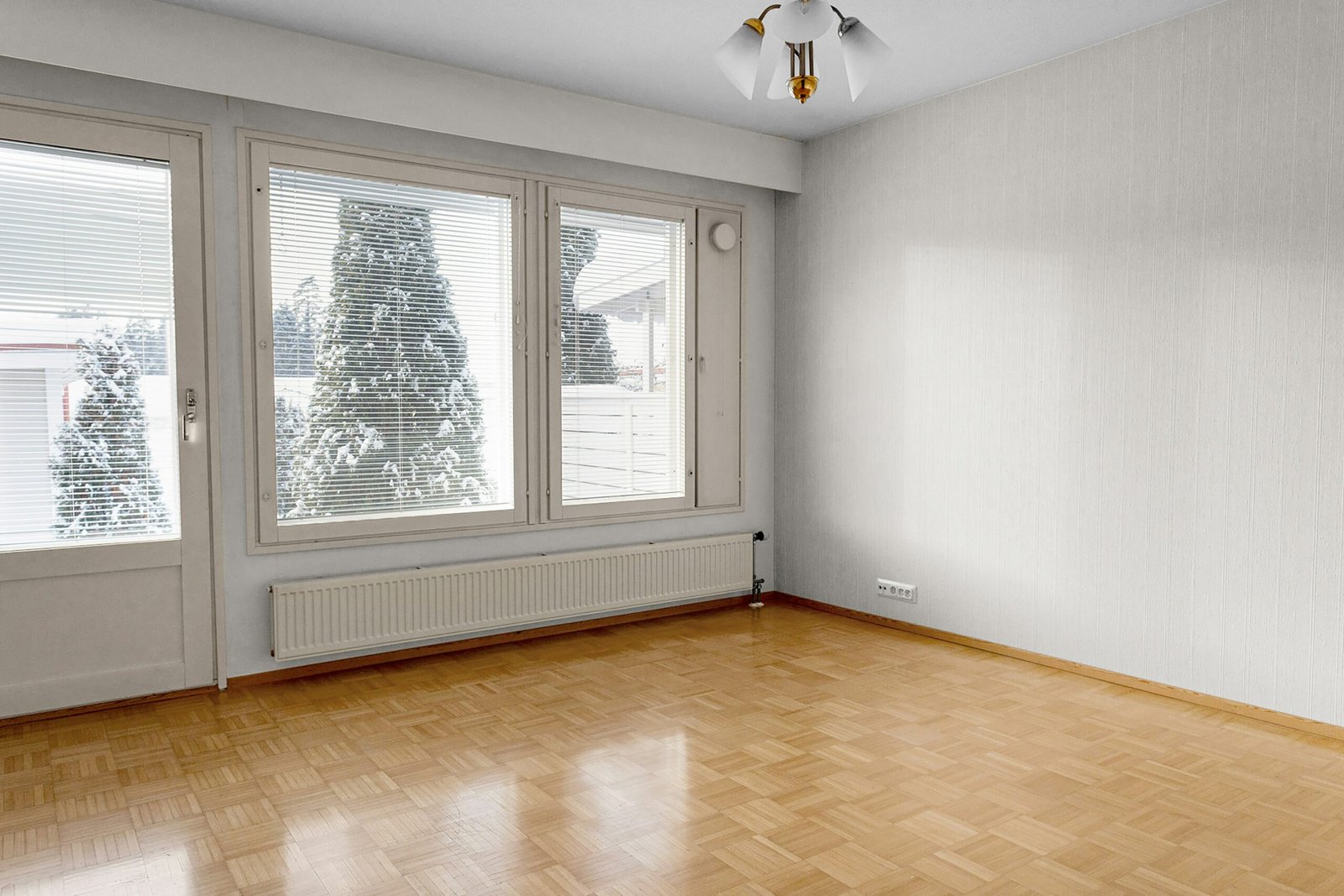
Always budget around the Warmmiete. On average, student housing can range from €300 in smaller towns to upwards of €650+ in premium cities. Additionally, do not forget the Kaution (deposit), which is usually two to three months of cold rent paid upfront before you move in.
https://unsplash.com/photos/an-empty-room-with-a-hard-wood-floor-MDeqRxHjOdA
2. Mandatory Student Health Insurance
You cannot enroll in a German university without proof of health insurance. Public health insurance providers (such as TK, AOK, or Barmer) offer a standardized student rate. This costs approximately €120 to €130 per month. It covers almost all medical visits, hospital stays, and prescription medications, but it is a fixed cost you must factor into your monthly baseline from day one.

https://unsplash.com/photos/a-card-with-a-drawing-of-a-person-on-it-Mmx6dI3PVtM
3. The Semester Contribution (Semesterbeitrag)
While there is no tuition, you do have to pay a Semesterbeitrag twice a year during re-enrollment. This is not a tax; it covers university administrative costs, student union support (Studierendenwerk), and, in most cases, a Semester ticket. This ticket gives you unlimited access to local public transportation (buses, trams, and regional trains) for the entire semester. This contribution typically ranges between €200 and €400 per semester, depending on the university.
https://unsplash.com/photos/trains-parked-with-city-skyscrapers-in-background-RyzFTGQw8bk
The “Hidden” Fees That Catch Students Off Guard
Beyond food and rent, Germany has a few specific structural expenses that catch international newcomers completely by surprise.
The Rundfunkbeitrag (TV/Radio Tax)
In Germany, every single household is legally required to pay the broadcasting license fee, commonly known as the Rundfunkbeitrag. It does not matter if you do not own a TV or a radio, or if you don’t even speak German – the fee is mandatory per apartment. It costs €18.36 per month. If you live in a WG, the fee can be split equally among all flat mates, but if you live alone in a studio apartment, you must bear this cost by yourself.

https://unsplash.com/photos/a-calculator-sitting-on-top-of-a-pile-of-money-zR7nFjjIAWE
Internet and Mobile Contracts
Apartments rarely come with active internet connections. Setting up a home Wi-Fi router usually incurs a one-time activation fee plus a monthly cost of €25 to €41. Additionally, a reliable mobile prepaid or contract plan with sufficient data will add another €10 to €25 to your monthly expenses.

https://unsplash.com/photos/man-writing-on-paper-OQMZwNd3ThU
Practical Savings Tips for Newcomers
Navigating these costs sounds intimidating, but Germany is also a country built to accommodate student life. Here is how you can offset these expenses:
- Embrace the Mensa: Every university has a student cafeteria (Mensa) offering heavily subsidized, hot meals for breakfast and lunch, usually costing between €2 and €5 per meal.
- Flash Your Student ID: Your Studierendenausweis is a golden ticket. Always ask for student discounts at museums, cinemas, gyms, clothing stores, and even software subscriptions.
- Shop at Discounters: Avoid high-end supermarkets for your weekly grocery runs. Stick to discount grocery chains like Aldi, Lidl, and Netto to keep your food budget around €200 a month.
Final Thoughts
Moving to Germany for your Bachelors or Masters is a life-changing step, and being financially prepared is the best way to ensure your journey is smooth. By understanding the true cost of Warmmiete, accounting for your mandatory insurance, and preparing for minor surprises like the broadcasting fee, you can step off the plane with absolute confidence. Budget wisely, choose your city carefully, and enjoy the incredible experience of studying in the heart of Europe!
Keywords: Hidden costs living Germany, Student life cost reality check, Blocked account Germany Sperrkonto, Monthly living expenses students, German health insurance fees, University semester contribution Semesterbeitrag, Accommodation deposit Kaution, Broadcasting fee Rundfunkbeitrag, Student public transport ticket, Cost of living Thuringia Germany, Unexpected student expenses Europe, Grocery budgeting international students, Setting up utility costs Germany, Mobile phone data plan prices, Initial settling-in budget Germany, Student ticket transportation cost, Rental contract hidden fees, Private vs public health insurance, Emergency fund international students, Financial planning study abroad