Your Step-by-Step Survival Guide to Bureaucracy, Banking, and Finding a Home.
Welcome to Germany (The Golden Rule)
The Sequential Secret to German Bureaucracy
Welcome to Germany! You have made it, but your journey is just beginning. The first month here is often a whirlwind of paperwork, appointments, and adjusting to a new culture.
To survive your first 30 days, you must understand The Golden Rule of Germany: Everything happens in a strict, specific order. You cannot unlock your blocked account without a regular bank account. You cannot get a regular bank account (usually) without registering your address. And you cannot register your address without finding a permanent home.
Don’t panic! This guide breaks the “Catch-22” into a clear, manageable checklist so you can get settled fast.
Days 1–3: Arrival & The Basics
1. Get Connected (SIM Card) Do not rely on roaming data. Head to a supermarket (Aldi, Lidl, Rewe) or a provider store (O2, Vodafone, Telekom) and buy a prepaid SIM card. Pro-Tip: You will need your passport to activate it via a quick video call.

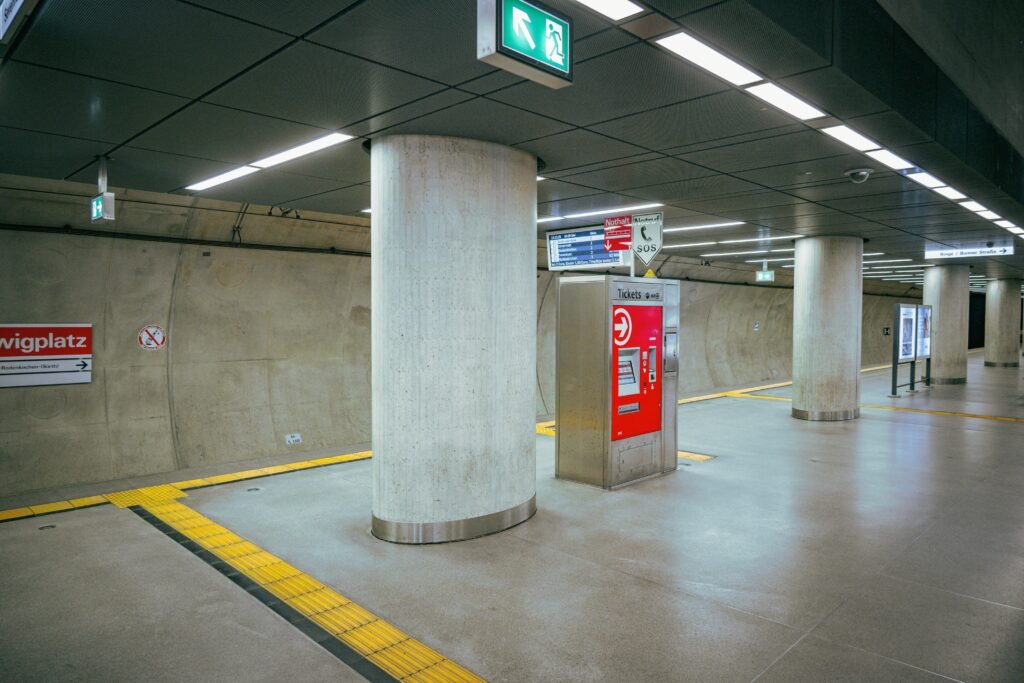
2. Master Public Transport Download the DB Navigator app (for national trains) and your local city’s transport app (like BVG in Berlin or MVGO in Munich). Look into purchasing the Deutschlandticket (€63/month)—it gives you unlimited access to all local and regional transport across the entire country!
3. Move into Temporary Housing Unless you are one of the lucky few who secured a permanent dorm before arriving, you will likely stay in an Airbnb, hostel, or with a friend for your first few weeks. Treat finding your permanent home as your full-time job.
The Reality of Finding Accommodation
Let’s be honest: The German housing market is in a crisis. Finding a room in a shared flat (WG) or a private apartment is the hardest challenge international students face.
Estimated Time to Find Housing: 4 to 12 Weeks. Yes, you read that right. It can take months of sending hundreds of messages on platforms like WG-Gesucht and ImmoScout24 before you get a viewing.
Watch out for Scams: If a landlord says, “I am currently out of the country, just wire the deposit via Western Union and I will mail you the keys,” IT IS A SCAM. Never transfer money before seeing the apartment in person or signing a legitimate contract.
(Struggling to find a place? Pathway Germany offers a dedicated Accommodation Finding Service to bypass the stress and secure legitimate housing before you even land. Visit our website to learn more!)
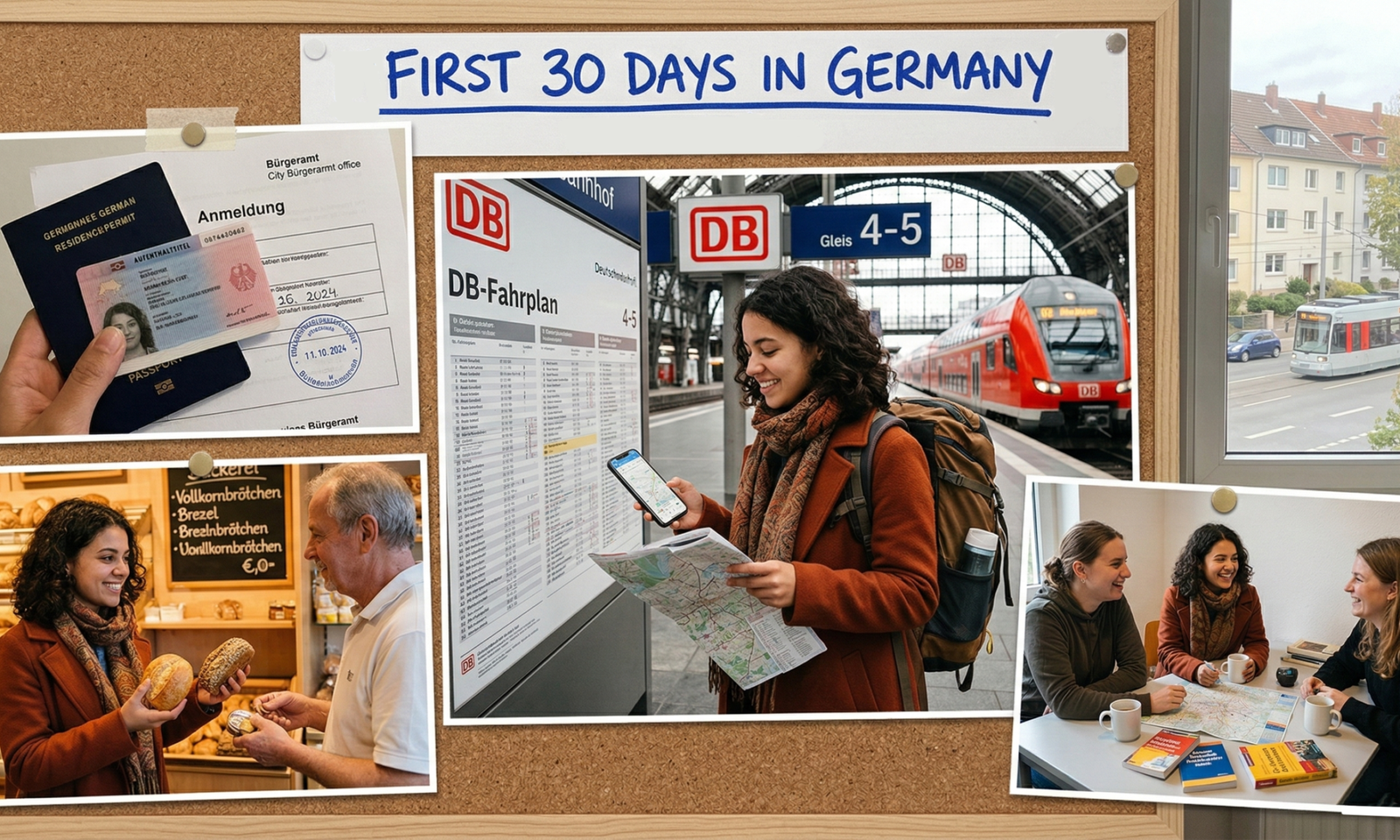
Step 1 – City Registration (Die Anmeldung)
This is the most important bureaucratic step in Germany. By law, you must register your residential address at the local Citizens’ Office (Bürgeramt) within 14 days of moving into a permanent place.
What you need:
- Your Passport and Visa.
- The Wohnungsgeberbestätigung: A legally binding piece of paper signed by your landlord confirming you actually live there. (An Airbnb receipt or hotel booking usually does not work for this).
- Your rental contract.
Why is this so important? Completing your Anmeldung generates your official Registration Certificate (Meldebescheinigung) and triggers the government to mail you your Tax ID (Steuer-ID). You need these documents for almost everything else in Germany!
Step 2 – Unlocking Your Money
Your €11,904 is sitting safely in your Blocked Account (Sperrkonto), but you cannot spend it yet.
1. Open a Regular Bank Account (Girokonto) To receive your monthly payouts (around €992/month), you must open a standard German checking account. Traditional banks (Sparkasse, Deutsche Bank) usually require your Anmeldung document. Pro-Tip: Digital banks like N26 or Revolut often let you open an account using just your passport and your temporary address, helping you bypass the waiting time!
2. Activate Your Blocked Account Log into your blocked account provider’s portal (Expatrio, Fintiba, Coracle, etc.). Upload your German visa, your Anmeldung (if required), and enter the IBAN of your new regular bank account. Your first monthly payout will usually arrive within 2 to 5 business days.
Step 3 – Health Insurance & Enrollment
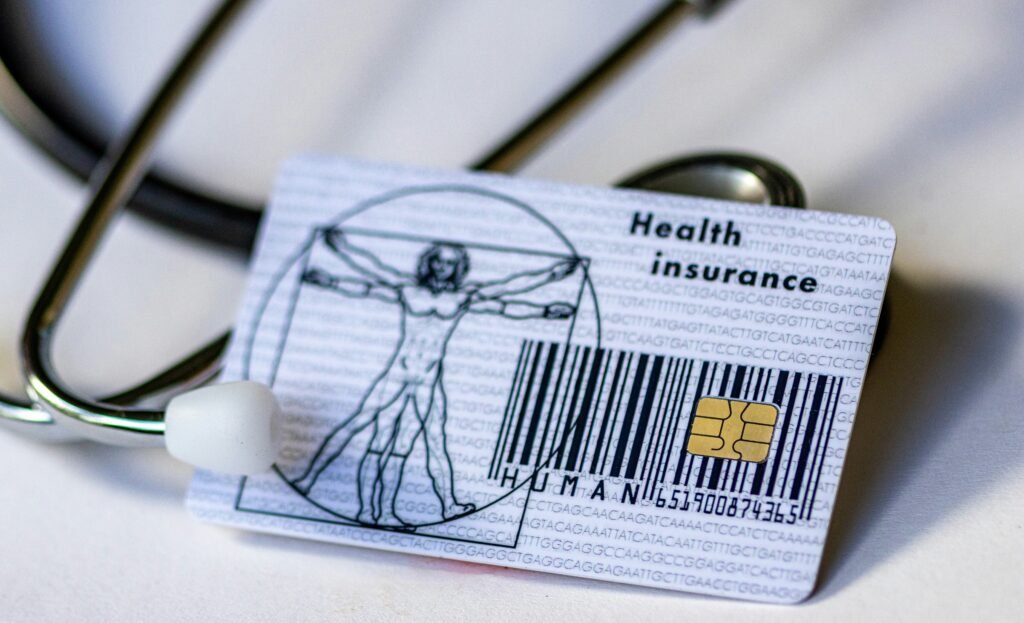
1. Activate Your Health Insurance If you used a service to pre-book public health insurance (TK, AOK, Barmer), contact them to activate your policy. You will need to provide your German address and regular bank IBAN so they can deduct the monthly fee. They will then mail you your physical insurance card.
2. Final University Enrollment (Immatrikulation) Your admission letter is not your enrollment! To officially become a student, you must:
- Ensure your health insurance provider sends an electronic notification (M10 status) to your university.
- Pay the semester contribution fee (usually €150 – €350, which often includes your transit pass).
- Submit any final original documents to the university registrar.
Once done, you will receive your official Student ID!
Step 4 – The Residence Permit (Aufenthaltstitel)
Your entry visa is usually only valid for 3 to 6 months. Before it expires, you must convert it into a Student Residence Permit at the Foreigners’ Registration Office (Ausländerbehörde).
Estimated Time to Get an Appointment: 2 to 6 Months. Book this appointment the exact same day you complete your Anmeldung! The wait times in major cities are incredibly long.
What you will need to bring:
- Completed application form.
- Valid passport and biometric photos.
- Certificate of Enrollment from your university.
- Proof of Health Insurance.
- Proof of Financial Resources (Your blocked account statement).
- Your Anmeldung certificate.
- The application fee (approx. €100).
You Don’t Have to Do It Alone
Feeling Overwhelmed?
Navigating landlords, banking terms, and government offices in a new language is exhausting. You should be focusing on your studies, not stressing over paperwork.